What's the Best Way for Kids to Memorize Vocabulary? 7 Gamified Learning Methods That Actually Work|VocGo
Gamified LearningVocabulary MethodsK-9 English
What's the Best Way for Kids to Memorize Vocabulary? 7 Gamified Learning Methods That Actually Work
2026-08-15 · 12 min read
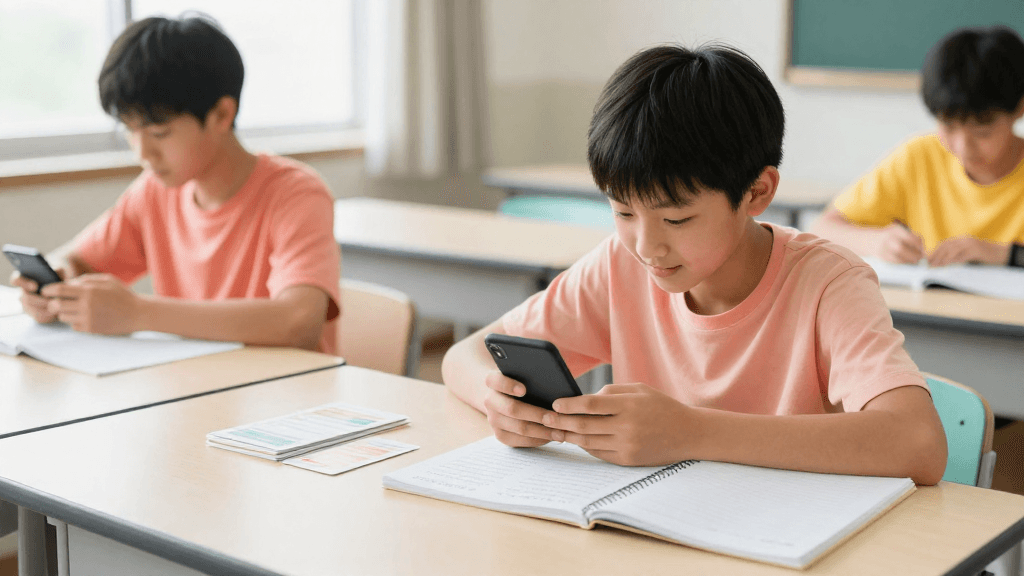
"He studied that word just yesterday, and today on the quiz he'd forgotten it again." Nearly every parent of an elementary or middle schooler has heard this complaint — or made it themselves. Kids sit at their desks copying words over and over, reading them aloud again and again, only to draw a blank on tomorrow's quiz. The problem usually isn't that kids aren't trying hard enough — it's that rote memorization itself is simply an inefficient way for the brain to learn.
This article shares 7 gamified vocabulary-learning methods that have been proven in real classrooms to genuinely improve retention — from flashcard matching to level-based progression. They help kids turn memorizing words from a chore into something they look forward to every day, and along the way we'll explain the memory science behind each one, so parents understand not just "what to do" but "why it works."
Why Doesn't Rote Memorization Work Well?
Psychology has a well-known concept called the "forgetting curve": if new information isn't reviewed at the right time, memory of it fades rapidly within a day or two — after a week, less than 20% may remain. Simply staring at a word list and copying it repeatedly is "passive input" — the brain is just recognizing text, without ever building a solid memory connection. That's why so many kids spend a lot of time memorizing words yet see no improvement in their grades: it's not a lack of effort, it's that the method doesn't match how the brain actually forms memories.
What's worse, rote memorization usually comes with a heavy dose of frustration. Kids spend a lot of time without feeling like they're getting anywhere, and over time they start to associate "memorizing words" with "boring and painful" — even developing an aversion to it, sighing the moment review comes up. That negative emotion further drags down learning efficiency, creating a vicious cycle.
Gamified learning works because it gets several things right at once: active recall, immediate feedback, emotional engagement, and — most importantly — spreading repeated exposure to the same word across many short sessions instead of one long grind. The 7 methods below are all built around these principles. Parents don't need to adopt all of them at once — start with one or two and go from there.
7 Gamified Methods That Help Kids Memorize Vocabulary Faster
1. Flashcard Matching Game
Shuffle word cards and their matching meaning cards face-down on the table, and have kids take turns flipping two at a time — a successful match means they keep the pair. This deceptively simple game hides the core of learning psychology: every flip forces the child to actively recall where they last saw a particular card, which is exactly the "active recall" training that works best. Research shows active recall produces far deeper retention than simply re-reading material, because the brain strengthens neural connections precisely while it's straining to remember.
This game is also great for the whole family to play together: parents joining in for a few rounds not only adds more review reps, it also lets you naturally notice which cards your child keeps flipping and still can't recall — those are the words that need extra attention. Compared to only discovering gaps once a test comes back, this kind of "weak spot list" that emerges naturally during play is both more immediate and far less stressful.
2. Word Match / Bubble Pop
Within a time limit, kids quickly match bouncing English words on screen with their corresponding meanings to clear them. The time pressure sharpens focus, and because the pace is fast and the visual feedback is strong, it's especially good for reviewing words a child has already learned but needs to get faster at recognizing — moving them from "I can figure it out" to "I know it instantly." That instant recognition matters a lot for exams: both regular tests and Taiwan's junior-high entrance exam are timed, so just recognizing a word isn't enough — a student needs to react within seconds, and that's exactly the kind of fluency match-and-clear games are best at building.
3. Listen-and-Whack Word Mole
Play a word's pronunciation and have the child quickly tap the matching meaning or picture on screen — score points for correct answers, lose health for wrong ones. This method also trains listening recognition, since exam listening sections and everyday conversation never test whether you recognize a word by sight — they test how fast you react to hearing it. Turning listening practice into a mini-game makes kids more willing to repeat it on their own, rather than treating a listening test like just another source of exam anxiety.
Want to Try These Gamified Methods Right Now?
VocGo already has matching, word-pop, and listen-and-whack games built right in — no need to prepare any materials yourself.
Looking at a meaning or picture, kids tap scattered letter blocks in order to spell out the correct word. This method is especially good for training spelling — many kids recognize a word and know its meaning, but misspell it the moment they have to write it, simply because they rarely get to practice actively producing it. Letter-block games turn tedious copying practice into a series of mini-challenges, while also immediately revealing which letter combinations a child tends to mix up (like -ent vs. -ant, or ie vs. ei), so parents can target that weak spot instead of just assigning more aimless copying.
5. Timed Challenges and Combo Streaks
Adding a countdown timer and a "combo" mechanic for consecutive correct answers — the more you get right in a row, the flashier the effects and sounds — borrows the core principle that makes video games so hard to put down: a bit of tension paired with instant positive feedback makes kids want to "play one more round and beat my own record," rather than treating review as an assigned chore. Many parents report their kids actually asking to "play one more round" — which is exactly the outcome gamified design is going for: quietly multiplying the number of review reps without the child even noticing.
Breaking vocabulary practice into small levels makes kids more willing to repeat it on their own
6. Growth Mechanics: Leveling Up a Character or an Orchard
Every word mastered and every game played earns "resources" (like water drops or experience points) that represent effort, which can then level up a character or grow a little tree. The real value of this kind of growth mechanic is turning otherwise abstract, invisible learning progress into something concrete a child can see every day. When kids open the app and see their tree has grown taller or grown new fruit, that sense of accomplishment becomes an internal motivator to keep learning — not just something done to survive a test.
This kind of mechanic is especially helpful for kids who are impatient or prone to giving up halfway. Traditional learning progress usually only shows results once test scores come back — the feedback loop is too long, and kids easily lose motivation. Growth-based games show "a little more progress today" every single day, turning learning into a journey with visible, accumulating results.
7. Daily Check-ins and Streak Challenges
Set a small goal around a "learning streak," and give extra rewards or reminders when a child keeps it going. Vocabulary learning punishes inconsistency most of all — steadily encountering 10 words a day for a month works far better than cramming 50 words in one sitting. A check-in mechanic builds the habit, turning "did I study today?" into something a child cares about on their own, without a parent having to nag every day.
Putting It Into Practice at Home: Combining Flashcards and Games
If you want to help your child build this kind of learning rhythm at home, here are three steps to follow:
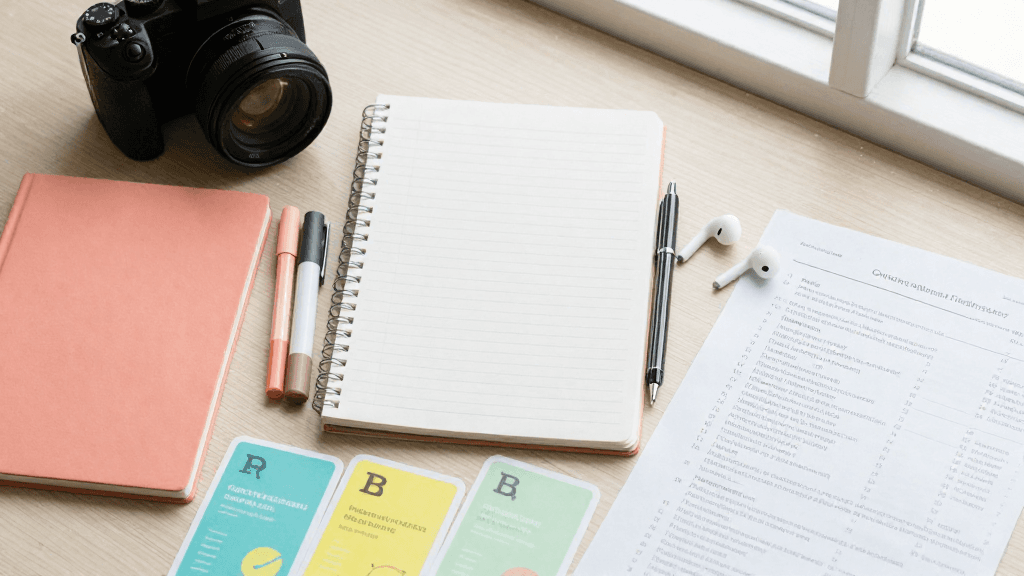
Preview with flashcards first: Before starting a new unit, have your child quickly flip through double-sided flashcards (English on the front, meaning and example sentence on the back) to build a first impression — don't expect them to master the words right away.
Test understanding with a game: Right after previewing, play a matching or listening mini-game — the child naturally completes their first round of active recall while playing, and it also shows parents or teachers which words still need work.
Schedule spaced review: Plan short 5–10 minute review games for the next day, three days later, and a week later — rather than cramming everything right before a test. Spaced practice combined with gamified, instant feedback is the real key to making memories stick.
These three steps look simple, but the key is consistency, not intensity. Rather than spending three hours cramming vocabulary in one weekend session, spending 15 minutes a day on a gamified round of preview-plus-review adds up to far better results over time than last-minute cramming ever could.
In Closing
Memorizing vocabulary should never have to be painful. By applying the core memory-science principles of active recall, instant feedback, and spaced review — combined with the 7 gamified methods above — kids' efficiency and willingness to learn words both improve noticeably. Instead of pushing kids to spend more time on rote memorization, try changing the method and make learning smarter instead.
Make Your Child's Vocabulary Learning More Effective
VocGo brings together every principle in this article in one app: CEFR-graded audiobooks paired with a tap-to-save personal vocabulary bank let kids meet new words inside stories, smart double-sided flashcards and three games — Word Match, Whack-a-Mole, and Spelling Blocks — handle repeated review, and the orchard growth system uses visible progress to help kids build a daily learning habit.